Featured

Help Your Dog’s Mental Health During Covid-19

Like people, dogs can experience stress, anxiety, depression, grief and other mental and emotional issues. But unlike people, they can’t tell us how they’re feeling or seek help. So how can we tell if our dogs are suffering? And how can we help them?

What are some sign of stress, anxiety & depression? When your dog’s daily life becomes disrupted, you will begin to see some changes. A few signs are they are not interested in eating, they aren’t seeking attention, reluctant to go outside, they can’t seem to get comfortable or can’t do their normal daily routine.

Sometimes the signs won’t be obvious. Compulsive licking is one indication of stress or anxiety. When a dog show the whites of their eyes during an interaction. Even if a pet loses their companion (human or animal) they go through a grieving process.

To help identify stress look for the following signals:

  • Excessive licking of paws, nose or lips
  • Panting that isn’t heat related
  • Pacing back & forth
  • Trembling
  • Pinning back ears and cowering
  • Hiding
  • Refusing treats
  • Diarrhea or vomiting
  • Whimpering for no reason
  • Clawing at walls, doors or gates trying to escape
  • Destructive behavior to things in the house that are not normally touched
  • Lethargy, when the dog is normally active
  • Do they ignore you when you call for them?

Here are some ways to help elevate your dog’s mental health!

Exercise Your Dog! Taking your dog for long walks, playing fetch, spending time learning new tricks, running up and down the stairs or just playing in the backyard together. Exercise is great, when you do this with them it helps you and your dog get out of a FUNK. We love heading to the nearest EMPTY park for 30 minutes!

Mental Enrichment! Dogs experience boredom just like humans, and a lack of mental stimulation can lead to anxiety and destructive behaviors. We have lots of different ideas we use in the Bostwick house like….. Puzzle Games, Kong Wobbler, Dog Toy Games, Sticky Bones!

Here are some options from my closest PET LOVING friends!

  • Keri Foreman recommends you check out Trixie on Amazon: Gambling Tower – L1, Mad Scientist: Windmill L,Mad Scientist: Slide and Feed, Mad Scientists: Poker Box 1 – L2, Mad Scientist: Poker Box 2 – L2, Chess Game – L3, Move To Win – L3
  • Joie Lee recommends the Treat Tumble
  • Lee Ann Stidham recommends the Jolly Pets Romp-n-Roll Rope Toy
  • Brandy Kalakis recommends the GYRO
  • Kristina Mohr recommends the Pet Zone IQ Treat Ball
  • Tammy Jorgensen recommends the Snuffle Mat
  • Cedar and Tukki recommend the Sticky Bone. (Our mom uses this when she trims our nails too!)

Try Massage! Just like with humans, our dogs love a good massage! This will also help you to bond to you pet. I did this in the vet clinic when I was a vet tech. I would massage the pets and it would help them relax and release endorphins. Massage provides a host of health benefits for your dog, both physically and mentally. According to Sally Morgan, PT, CST, holistic physical therapist for pets and people, dog massages can improve the health of your dog by increasing circulation, relaxing muscle spasms and muscle tension, correcting muscle imbalances, improving posture and gait, and promoting relaxation. “A dog that is in physical balance is likely to be in emotional balance, so massage can provide many layers of benefit for your dog,” Morgan says. “Massage for your dog can improve his connection through his body, so that he is more aware of where his body is in space, [and] more able adjust to shifting environmental factors or emotional stresses.” How to Massage Your Dog?

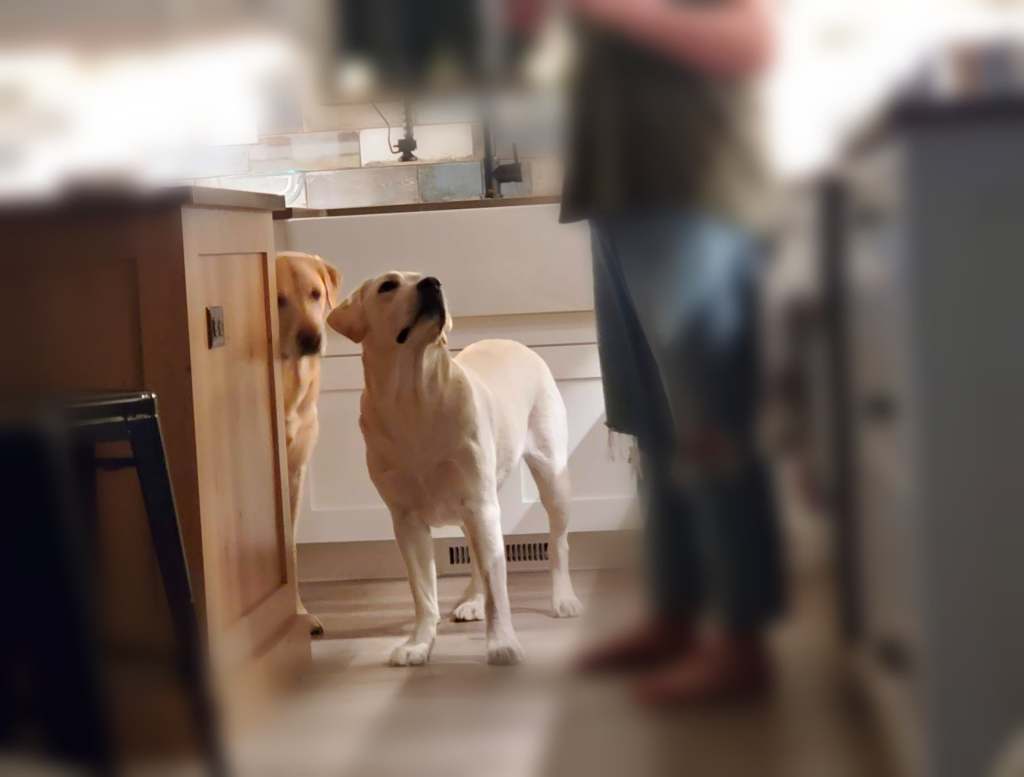
Give Your Dog Space! When we see our dogs are unhappy, it’s tempting to smother them. But, helicopter pawParenting can make dogs more anxious. We want to make sure our dogs get everything they need and not all dogs are equipped to handle being smothered. Cedar is a perfect example. We can see his signs of anxiety or unhappiness, but he also needs his alone time to decompress. If I smother him too much he will instinctively leave the room . If I follow to make sure he is okay. He actually gets annoyed! He also needs space from Tukki Bear. Tukki on the other hand wants to be in your pocket all the time and always has to touch Cedar. Learn to know the difference. Even though we are living in a quarantined world. We are home now more than ever. Maybe your pets needs a little space. Just know this is also something to watch for.

(Cedar just wanted to sit alone, but Tukki had to find a way to be next to him. Whatever works to make them both happy. To be close, but not to close)

Find Out What Your Dog Loves! Do things your dog excited about. Does he love to chase things, play tug or go fetch. If your dog loves to please, teach them a new trick! Be intentional and make a plan to do it with them at least 3-4 times per week. NO EXCUSES! You will also realize you needed it as much as they do.

Cedar LOVES tricks! I want to teach him some new tricks. He humors me all the time, but knows he gets rewarded with not only lots of treats, attention, unconditional love and sleeping in my bed! Yup, I am that kinda pet parent!

I would love to hear how you are coping with the coronavirus and keeping your pets mental health elevated. Our dogs love us unconditionally, let’s help make this the best for them, because they are exactly what help us to stay strong!! Let’s work together to help our dog’s mental health.

‘SOMETIMES THE BEST MEDICINE IS A DOG WHO THINKS THEIR LOVE CAN CURE YOU.’

DOG MOM VIBES BLOG

Tuna Puffers!

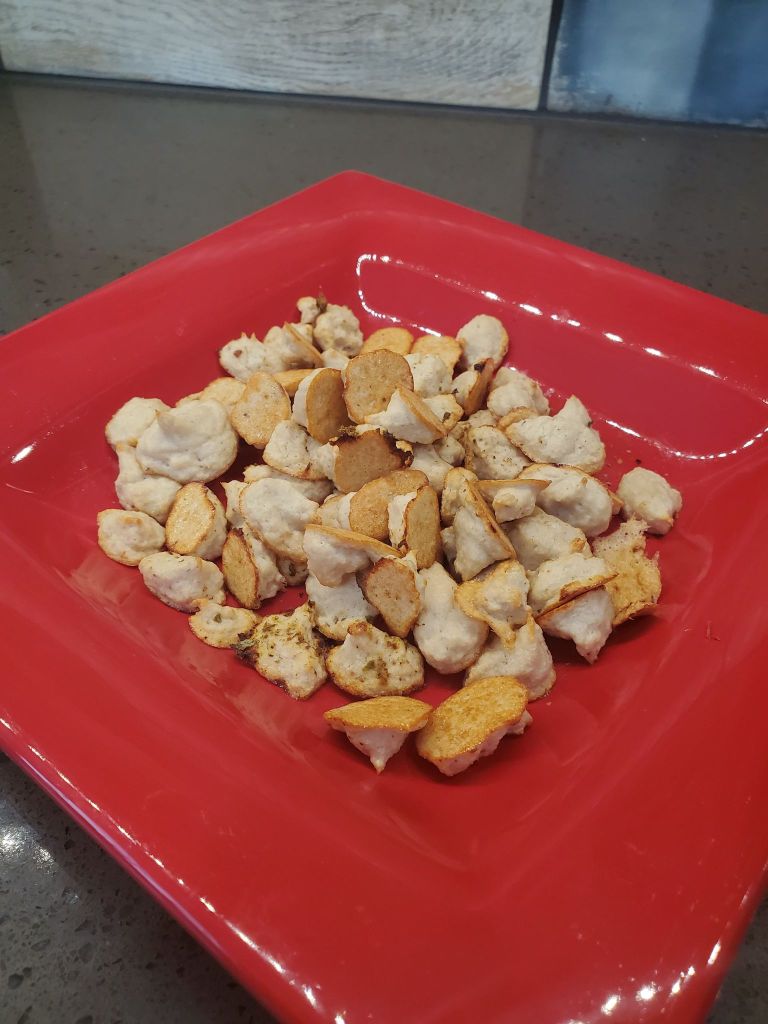
Homemade tuna puffer treats your cat will LOVE. These are Olive’s favorite! They’re grain, gluten and dairy free!

Ingredients
– 1 egg
– 1 can tuna in water, not drained

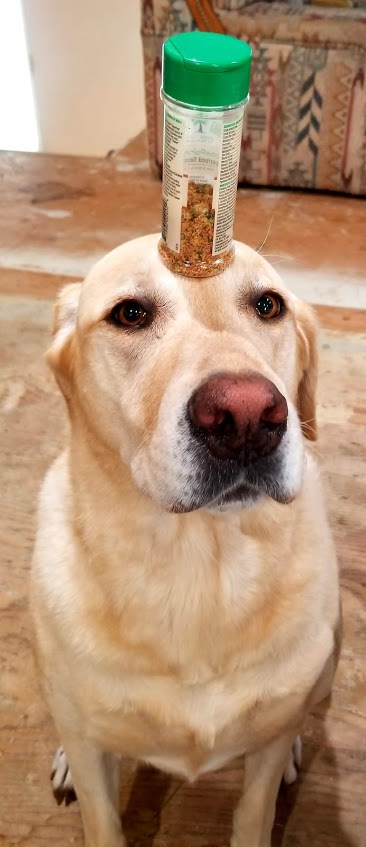
Optional: Favorite bottle of pawPairings Pet Food Seasoning

  1. Preheat your oven to 330F and line a baking sheet with baking parchment.
  2. Crack open the egg and separate the white from the yolk. Discard the yolk and place the white in a large mixing bowl.
  3. Using a hand or electric whisk, beat the egg white until stiff peaks form when the whisk is removed. Set aside.
  4. Empty the can of tuna into small or mini blender. Add two tablespoons of the whisked egg white to the tuna, then blend thoroughly until the mixture is a smooth paste. You don’t want any lumps.
  5. Using a spatula, remove the tuna paste mixture from your blender, and fold it gently into your remaining whisked egg white. Take care not to knock too much air out of the mixture while you are combining the two.
  6. Transfer the resulting mix into the corner of a baggie or piping bag. Pipe the mixture into small rounds on the baking sheet. Make them as small as you want. (See video for how I do it)
  7. Place in the oven for 20-25 minutes, until the treats feel dry to the touch and dislodge easily from the baking sheet. Transfer to a wire rack to cool, and then into airtight jars for storage. If kept cool and dry, they should store well for up to 3 weeks.

Learn how to make them here!

In this video you will find another recipe to pawTree’s Homemade Gourmet Baking Treats! Check them out too!

We are a independent petPros with pawTree There are links in this recipe that provide a means for us to earn by linking to affiliated sites.

How to Read Pet Food Labels!?

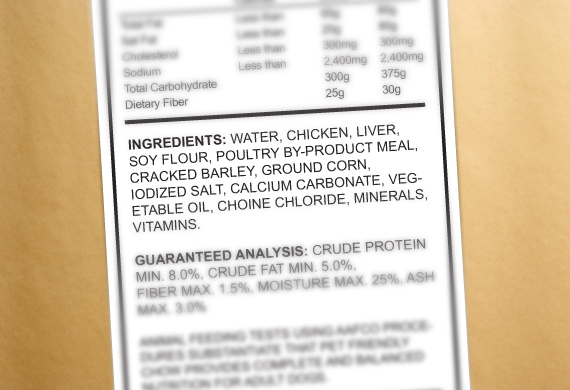
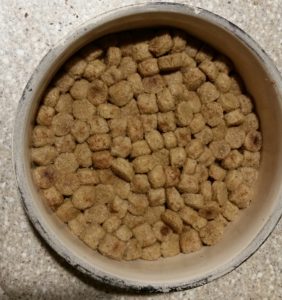
The most important thing for us as pet parents is to learn to always read ingredients on pet food labels. You can ignore the front of the package.  No matter what it says, flip it over and read the ingredients.  Even if the vet recommends it, read the ingredients!  Some vets are better than others at proper nutrition.

A few years ago, I was asked to help a client read her dog food label. As I was walking through the ingredient list, she was appalled that corn was the first ingredient. Not knowing that Ingredients must be listed in order of predominance by weight. The ingredient that makes up the highest percentage of the total weight as it goes into the product is listed first. This was an eye opener for her, she had always assumed that those were just the ingredients. Not knowing they were written in a specific order by weight. Let’s talk labels!

There are many variables of ingredients you should watch for. The 5 top ingredients you never want to see in your pet’s food are: 
1) Ethoxyquin
2) Propylene Glycol 
3) BHT/BHA
4) Corn Syrup/Corn
5) “By Product” (meaning Meat or Animal by product)
These ingredients are usually the leading cause of medical issues in pets. Be cautious when finding these ingredients in pet food and treats.

The product should contain the phrase “Complete & Balanced” it is a Nutritional Adequacy Statement, by the AAFCO labeling.

Your pets food should also have a minimum digestibility of at least 80% or more.  This information is usually obtained by calling the pet food company. The digestibility of a pet food measures how much of the diet/ingredients the pet utilizes vs. poops out. 
The higher the digestibility the better. In addition, the dogs are digesting most
of the calories for energy. Pets burn calories while sleeping.. Crazy, but they burn calories from protein and healthy fat in their diet. Adding a probiotic will also help the digestive tract absorb nutrients. On average, our overall digestibility studies show our pawTree recipes have a minimum digestibility of 83%.  They also show that both our protein and fat are highly digestible (on average, 87% and 94% respectively).   

Remember to keep your pets hydrated.  While we can’t very effectively make them drink as much water as they should, adding warm or cold water to their morning and evening meals (about  1/4 to a 1/3 of a cup) everyday will really go a long way to helping them stay healthy.

Preservatives are added to pet food to prevent the fat from rapidly becoming rancid.  Whether or not the preservative is “natural” or “synthetic”, or a combination of the two, dry food should contain a preservative.  If opposed to feeding a diet with a preservative of any kind, then the best option would be a canned diet. All natural diets usually use natural preservatives. Natural substances such as such as vitamin E (mixed tocopherols), vitamin C (ascorbic acid), and plant extracts (rosemary). Keeping your pets food stored properly or in a sealed bag will also help it from becoming stale or rancid.

Cost in general- as the quality of the ingredients used to make a pet food increases, so does the cost to the manufacturer, who passes these costs on to the client.  Therefore, a cheap product does not always mean a good deal. This is a very true statement! You get what you pay for! If you purchase McDonald’s everyday vs home made food you will feel and see the difference. Don’t let “cost” be the factor for your pet thriving in life, budget accordingly.

Animals require nutrients, not ingredients. The quantity and quality of nutrients in the diet available to the animal is what is important, not the ingredients that provided these nutrients.  For example, there is a perception that certain ingredients are bad and are fillers.  The body breaks down ingredients into amino acid that are absorbed by the intestinal tract. Unless an animal has a known allergy to a certain ingredient, there is no reason to avoid feeding diets that contain them. It is true that animals require nutrients, not ingredients, but different ingredients may provide better nutrients (‘better’ meaning more available).  While it may be true that some ingredients have the same amino acid profiles, not all nutrients have the same bioavailability.  For instance, plant amino acid profiles are very different than animal amino acid profiles.  If the animal can’t utilize the nutrient because it isn’t bio-available, that nutrient does the animal no good. 

Most importantly! How is your pet doing while consuming the diet?  There is no diet that 100% of dogs and cats will do well on.  They are like people in that they can show a variation in their preference and response to a particular diet. 

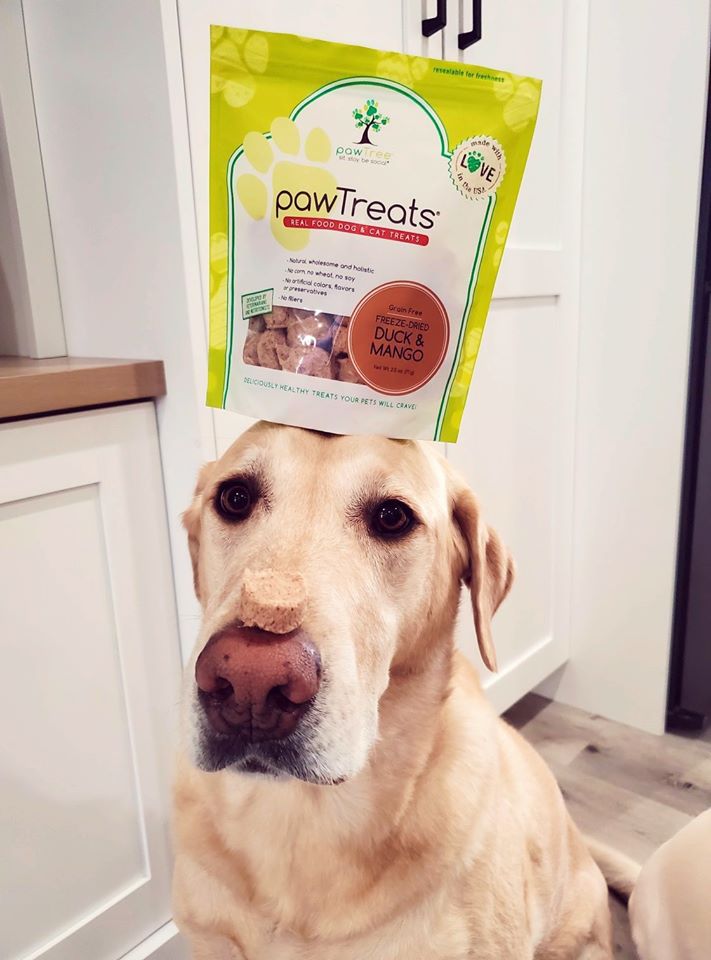
Don’t forget to read the ingredients on your dog treats too!!
Click link: Fill out a pawTree pet profile and read our ingredients!

We love comments and feedback! Thank you for stopping by our blog!

What Are Your Pets Having For Dinner?

We bet you’ve heard that question before. But what about your family members who can’t ask? Your pets are important parts of your family. So, while your kids are going back and forth between chicken nuggets / mac and cheese for the 1,000th time, you have time to think about what you should (or shouldn’t) be feeding your pets.

We’ve done the homework for you, pulling together a team of top veterinarians and a Ph.D. in animal science and pet nutrition to create pawTree food and supplements. We believe that you’ll be able to see a difference in your pet when you feed them pawTree vs. other pet food. Our products have the finest quality natural ingredients to meet your pet’s unique needs. Each pet is different, so why feed them all the same thing? We can provide a customized nutrition plan, with personalized touches throughout the process.

We know that pet parents have many options in food and treats, and you should choose the right meal plan for your pet. That’s why we created pawPairings, pet food seasoning mixes to add to any pet’s food (raw, home cooked or kibble) that provide a delicious set of key nutrients. Our pets process nutrients not ingredients.

Once you experience the difference of pawTree, we know you’ll want to spread the word to other pet lovers. That’s why we have a way to earn extra money while introducing other pet owners to pawTree products.

This is just a short introduction to what pawTree is about, and we encourage you to follow our Facebook page for more on pawTree and other paw news: https://www.facebook.com/HealthyPetNutrition/